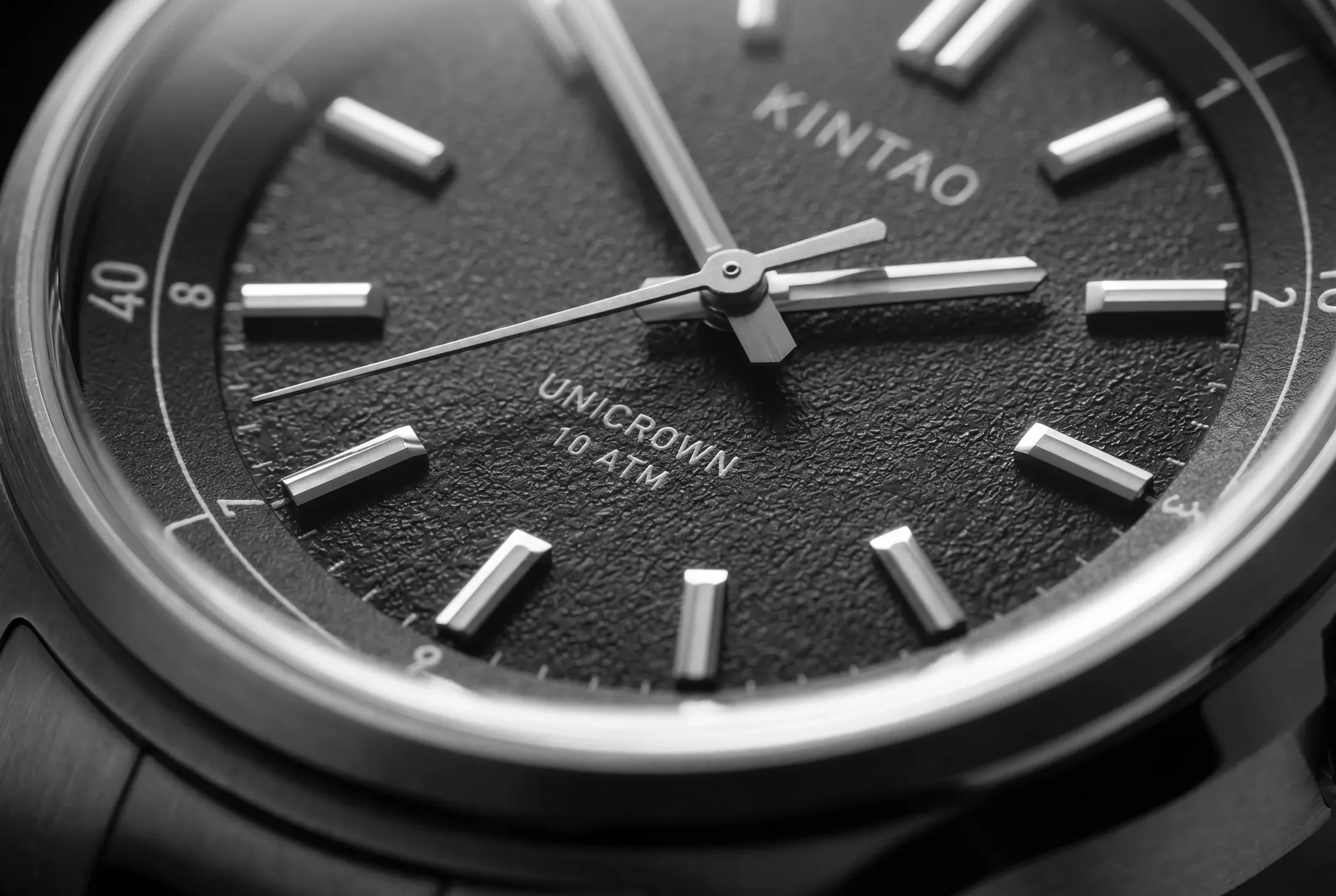
Some ideas are still worth completing.
I’ve spent nearly 20 years working across product design, innovation, and brand experience design, fifteen of those years in Asia. My work includes launching products from zero to market with global teams, leading a 0–1 seating brand while at IDEO, and designing furniture and systems for Herman Miller.
Alongside that work, I collected and studied vintage watches. What stood out were the ideas that never quite made it. Not because they were wrong, but because the tools of their time weren’t ready.
Chapter 1 began there.
Appeared in the 1960s.
Then abandoned.
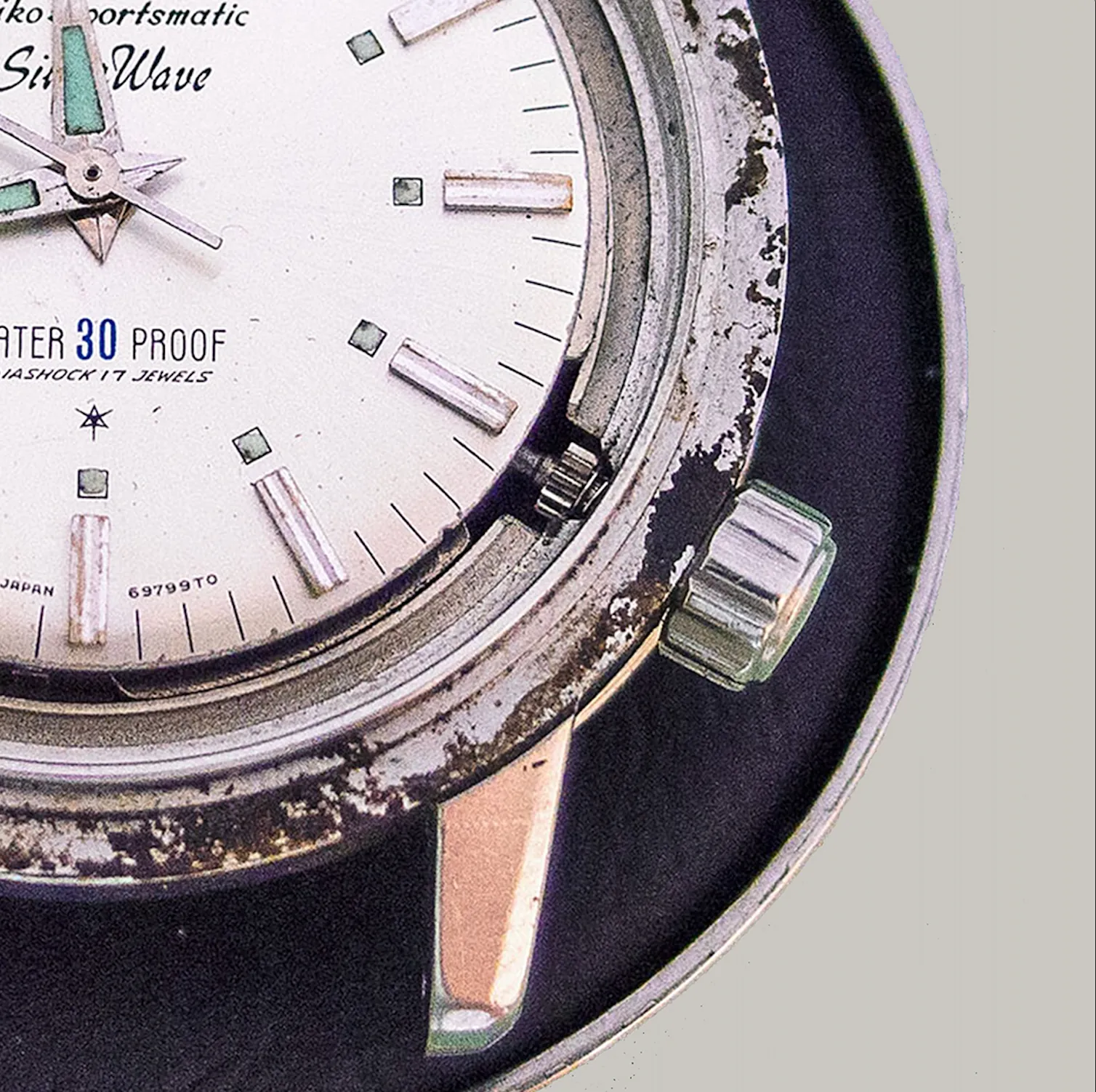
Single-crown internal bezels appeared briefly in the 1960s and early 70s. The appeal was obvious: one control, and a calmer way to live with time. But engagement felt vague, the mechanisms demanded care, and the idea was quietly dropped.
Modern machining changes what’s possible. What didn’t work fifty years ago can work now, approached properly.
Progress was
slow by design.
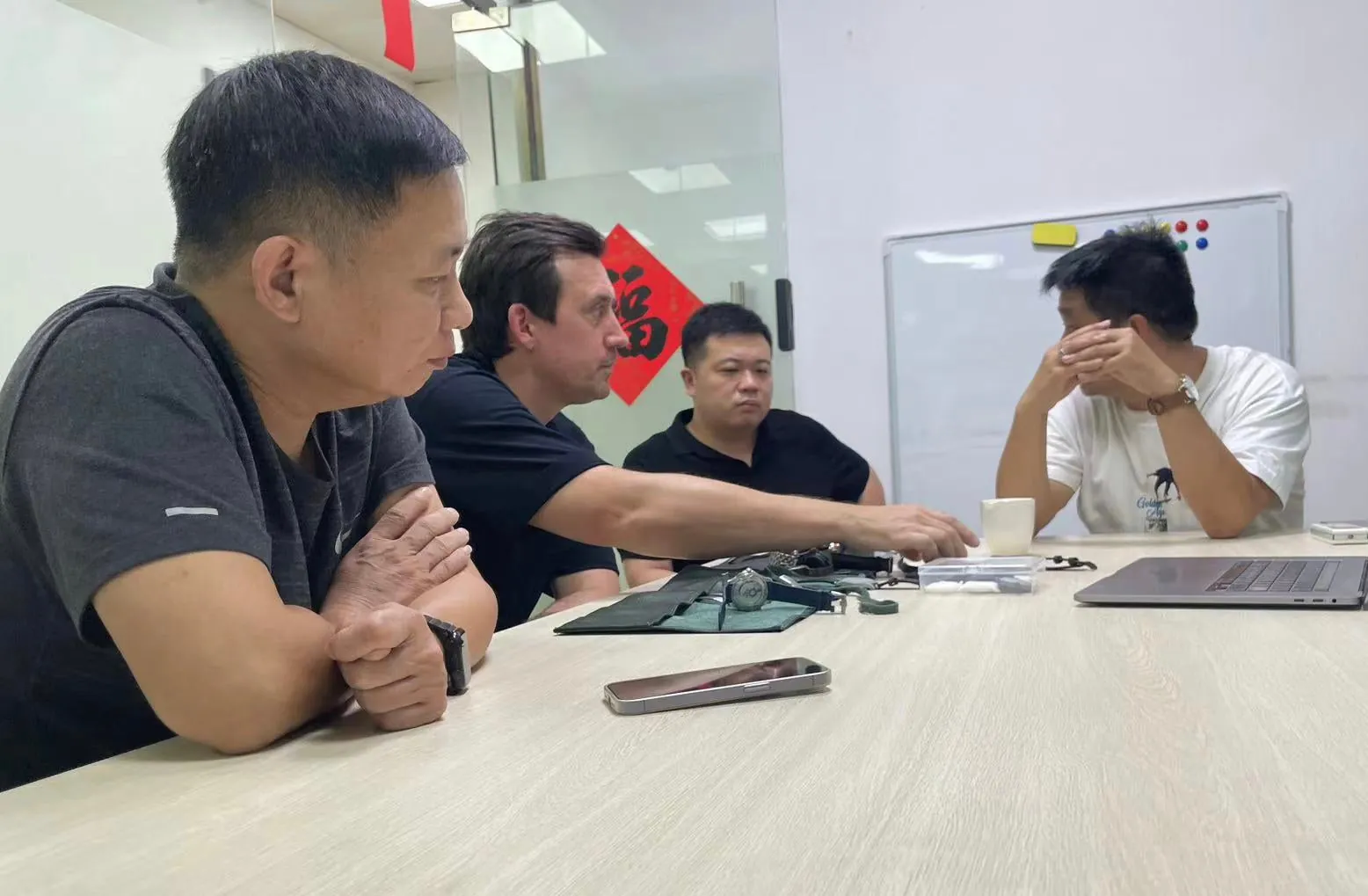
I partnered with an experienced watch engineer and spent years between southern China and Hong Kong, walking factories and testing manufacturing routes. The Unicrown system couldn’t be bought off a shelf. It took prototype after prototype, and plenty of dead ends. Kintao exists because we took the slower path.
The ideas, attempts, and people who came before. Respect for proven thinking, not nostalgia.
The path forward. Clear intent, measured progress, better execution.
Chapter 1
is the first.
Watchmaking history is full of ideas that stopped too soon. We’re working through them.